Top Ad 728x90

Wednesday, May 13, 2026

Foil Packet Party Just 5 ingredients Make

by


Foil-wrapped potato “bombs” are a playful twist on the classic baked potato, and they tap into a long tradition of cooking tubers in embers or low, steady heat. From campfire coals to tandoor ovens, cultures around the world have discovered that potatoes become wonderfully creamy when cooked gently in their own little jackets. This slow cooker version borrows that idea but makes it weeknight-friendly: five ingredients, minimal prep, and the crockpot does all the work. You end up with tender, buttery baby potatoes that feel special enough for company but are easy enough to throw together before work. They’re ideal when you want a comforting, hands-off side that doesn’t compete for oven space, especially during busy holidays or when you’re grilling and don’t want to heat up the kitchen.
These slow cooker potato bombs are wonderfully versatile. Serve them alongside roasted or grilled meats—think roast chicken, pork tenderloin, or a simple steak—for a cozy, steakhouse-style plate. They also pair nicely with pan-seared fish or salmon, where their buttery richness balances lighter proteins. For a vegetarian spread, tuck them next to a big green salad, roasted vegetables, or a pot of braised beans. You can also set them out as part of a baked potato-style bar with toppings like shredded cheese, sour cream, chives, and crumbled bacon, letting everyone dress their own. They hold well on the warm setting, so they’re excellent for potlucks, game days, or any buffet-style gathering.
5-Ingredient Slow Cooker Foil-Wrapped Potato Bombs
Servings: 4
Ingredients
1 1/2 pounds baby potatoes (Yukon Gold or red, about 1- to 2-inch size), rinsed and dried
4 tablespoons unsalted butter, cut into small pieces
1 1/2 teaspoons kosher salt (or 1 teaspoon fine sea salt)
1 teaspoon freshly ground black pepper
1 teaspoon dried seasoning blend of your choice (such as Italian seasoning, Herbes de Provence, or a garlic-herb blend)
Heavy-duty aluminum foil (for wrapping)
Directions
Prepare the slow cooker: Set your slow cooker on low while you prep the potatoes so it starts to warm up. No need to add liquid; the potatoes will steam gently in their own moisture inside the foil packets.
Season the potatoes: In a large bowl, combine the baby potatoes, salt, pepper, and dried seasoning blend. Toss well so each potato is lightly coated with the seasonings.
Add the butter: Scatter the small pieces of butter over the seasoned potatoes and toss again. You want the butter distributed so that each foil packet will get a few pieces that melt and baste the potatoes as they cook.
Form the foil packets: Tear off rectangles of heavy-duty foil, roughly 12 x 12 inches. Spoon a portion of the potatoes (about 1/4 of the total) into the center of each piece of foil, making sure some butter pieces land on top. Bring the sides of the foil up and together, then fold and crimp to seal, creating a tight packet. Fold in the ends as well so no steam escapes.
Arrange in the slow cooker: Place the foil packets seam-side up in the slow cooker in a single layer if possible; a bit of overlapping is fine. Cover with the lid.
Cook until tender: Cook on low for 4 to 5 hours, or on high for 2 to 3 hours, until the potatoes are very tender when pierced with a fork. The exact time will depend on the size of your baby potatoes and how full the slow cooker is.
Serve: Carefully remove the hot foil packets from the slow cooker. Open them away from your face—there will be a burst of steam. Transfer the potatoes to a serving bowl, spooning over any buttery juices from the packets, or serve each packet individually so everyone can open their own potato “bomb” at the table.
Variations & Tips
For a garlicky version, add 2 to 3 cloves of minced fresh garlic or 1/2 teaspoon of garlic powder to the seasoning mix before tossing with the potatoes. If you enjoy a smoky note, sprinkle in 1/2 teaspoon of smoked paprika or chipotle powder. Fresh herbs also work beautifully: stir in a tablespoon or two of chopped rosemary, thyme, or parsley at the end of cooking rather than at the beginning, as delicate herbs can lose their brightness with long heat. To make the dish richer, tuck a small cube of cheese (such as cheddar, Gruyère, or smoked mozzarella) into the center of each foil packet for a melty surprise. For a lighter take, reduce the butter to 2 tablespoons and add a drizzle of olive oil before sealing the packets. You can also treat this as a base recipe and add thinly sliced onions or bell peppers to the packets for extra flavor and color—just keep the pieces small so they soften in the same time frame as the potatoes. If you’re cooking for a crowd, double the recipe and stack the packets in two layers in the slow cooker, rotating the top and bottom layers halfway through for more even cooking.

Pour cream of mushroom soup

by


This oven-baked, 4-ingredient creamy mushroom beef bake is my cozy, default dinner when I don’t know what to make. It leans on a very Midwestern pantry classic—canned cream of mushroom soup—poured straight over raw beef stew meat in a glass casserole dish. As it bakes, the soup transforms into a rich gravy that tenderizes the beef with almost no effort. It’s the kind of practical, set-it-and-forget-it comfort food many of us grew up with, but it still feels satisfying after a long day.
This creamy mushroom beef is begging for something starchy to soak up the sauce: serve it over mashed potatoes, egg noodles, or steamed white rice. Add a simple green side like roasted broccoli, sautéed green beans, or a crisp salad with a tangy vinaigrette to cut through the richness. A slice of crusty bread is also handy for swiping up the last of the gravy, and if you enjoy wine, a light red like Pinot Noir or a medium-bodied Merlot pairs nicely with the mushrooms and beef.
Oven-Baked 4-Ingredient Creamy Mushroom Beef Bake
Servings: 4

Ingredients
2 pounds beef stew meat, cut into 1- to 1 1/2-inch cubes
2 (10.5-ounce) cans condensed cream of mushroom soup
1 (1-ounce) packet dry onion soup mix
1/2 cup water
Directions
Preheat your oven to 300°F (150°C). Lightly grease a 9x13-inch glass casserole dish with a bit of oil or cooking spray to prevent sticking.
Spread the raw beef stew meat evenly in the bottom of the glass casserole dish, breaking up any pieces that are stuck together so they cook evenly.
In a medium bowl, whisk together the condensed cream of mushroom soup, dry onion soup mix, and water until mostly smooth. It doesn’t need to be perfect—just well combined so the flavors are distributed.
Pour the cream of mushroom soup mixture evenly over the raw beef stew meat in the glass casserole dish, making sure all the meat is coated. Use a spatula or spoon to gently nudge the sauce into the corners and around the edges if needed.
Cover the glass casserole dish tightly with aluminum foil to trap moisture and help the beef become tender as it bakes.
Bake in the preheated oven for 2 1/2 to 3 hours, or until the beef is very tender when pierced with a fork and the sauce has thickened into a creamy gravy. Avoid uncovering frequently, as that releases steam and can slow down the cooking.
Carefully remove the casserole dish from the oven and take off the foil, watching out for hot steam. Give the beef and sauce a gentle stir to re-coat the pieces and even out the texture of the gravy.
Taste and adjust seasoning if desired (the onion soup mix is salty, so you may not need additional salt). Let the dish rest for about 5 minutes, then serve the creamy mushroom beef over mashed potatoes, noodles, or rice.
Variations & Tips
For a slightly lighter version, you can substitute one can of cream of mushroom soup with low-sodium beef broth, keeping the same overall liquid volume by using a bit less added water. If you enjoy a deeper mushroom flavor, stir in 1 to 2 cups of sliced fresh mushrooms directly over the beef before you pour on the soup mixture. For a more herb-forward profile, add 1 teaspoon of dried thyme or Italian seasoning to the soup mixture before baking. If you prefer a bit more body to the sauce, stir in 2 tablespoons of sour cream or plain Greek yogurt at the end of baking for extra tang and creaminess—just fold it in gently so it doesn’t curdle. To make this in a slow cooker instead of the oven, layer the raw beef in the bottom of the crock, pour the same soup mixture over the top, cover, and cook on LOW for 7 to 8 hours or HIGH for about 4 hours, until the beef is tender. You can also swap the onion soup mix for a homemade blend of dried minced onion, garlic powder, a pinch of sugar, and a bit of salt if you want more control over the sodium level. Finally, if you’d like a one-dish meal, scatter a layer of chunked carrots and halved baby potatoes under and around the beef before pouring on the soup mixture; just be sure to keep everything in a single, relatively even layer so it cooks through in the same time frame.

My aunt brought these to Easter

by


These slow cooker 3-ingredient brown sugar glazed potatoes are the kind of dish that quietly steals the show at a brunch table. My aunt first brought a version of these to our family Easter brunch, and I’m not kidding—three different people asked if they could take the leftovers home.

Slow cooker brown sugar glazed potatoes in a serving bowl

The potatoes turn tender and creamy on the inside, with a shiny, caramelized brown sugar glaze on the outside that tastes like a cross between candied sweet potatoes and roasted baby potatoes. It’s the perfect low-effort, high-payoff side dish for holidays, potlucks, or any Sunday dinner when you want something special without hovering over the stove.

Serve these brown sugar glazed potatoes straight from the slow cooker (or transfer to a warm serving dish) alongside ham, roasted chicken, or pork tenderloin. They’re especially good with something savory and a little salty to balance the sweetness. Add a bright green vegetable like steamed green beans, roasted asparagus, or a simple salad to round things out.

If you’re serving brunch, they pair nicely with scrambled eggs, quiche, or a breakfast casserole. A sprinkle of flaky salt or chopped fresh parsley at the table can also help wake up the flavors right before serving.

Slow Cooker 3-Ingredient Brown Sugar Glazed Potatoes
Servings: 6

Ingredients
3 pounds small baby potatoes (gold or yellow, rinsed and well dried)
1 cup packed light brown sugar
1/2 cup unsalted butter, melted
Directions
Prep the potatoes: Rinse the baby potatoes under cool water and pat them very dry with a clean kitchen towel. Leave the skins on and keep them whole if they’re bite-sized; if any are larger than a golf ball, cut those in half so everything cooks evenly.
Baby potatoes drying on a kitchen towel
Grease the slow cooker: Lightly grease the inside of a 4- to 6-quart slow cooker with a little butter or nonstick spray to help prevent sticking and make cleanup easier.
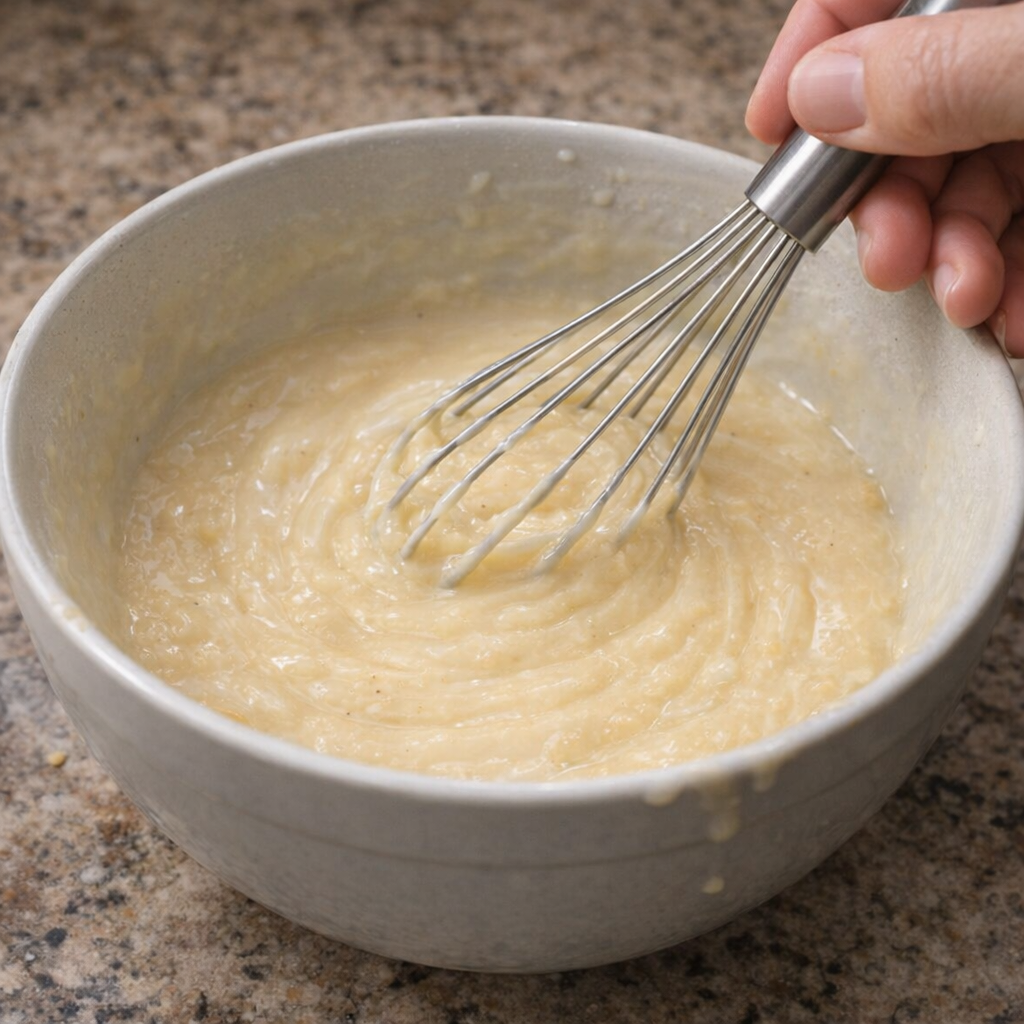
Make the brown sugar glaze: In a medium bowl, whisk together the melted butter and brown sugar until you have a thick, glossy mixture. It should look like a loose caramel sauce. If there are a few sugar lumps, keep stirring until they break up.
Brown sugar and butter glaze being whisked in a bowl
Combine potatoes and glaze: Add the dried potatoes to the slow cooker. Pour the brown sugar–butter mixture over the potatoes, scraping the bowl so you get every bit. Use a spatula or large spoon to gently toss the potatoes in the slow cooker until they’re evenly coated in the glaze.
Slow cook: Cover the slow cooker with the lid. Cook on HIGH for 3 to 4 hours, or on LOW for 5 to 6 hours, until the potatoes are very tender when pierced with a fork. About halfway through the cooking time, gently stir the potatoes to re-coat them in the glaze and keep the sugar from settling on the bottom.
Glazed potatoes cooking inside a slow cooker
Thicken and caramelize the glaze: Once the potatoes are tender, remove the lid and carefully stir again to coat them in the thickened glaze. Prop the lid slightly ajar with a wooden spoon or folded towel and continue cooking on HIGH for 20 to 30 minutes. This helps some moisture escape so the glaze reduces and clings to the potatoes, forming that shiny, sticky coating with lightly caramelized edges.
Finish and serve: Turn the slow cooker to WARM. Gently stir the potatoes one last time right before serving to coat them in the syrupy glaze. Serve straight from the slow cooker or transfer to a warm serving bowl, spooning extra glaze over the top. If you’d like, finish with a tiny sprinkle of salt at the table to balance the sweetness.
Variations & Tips
Finished glazed potatoes with parsley and flaky salt

For a less sweet version, reduce the brown sugar to 3/4 cup and add a pinch of salt to the glaze before cooking. If you prefer a salted-caramel vibe, stir 1/2 teaspoon of kosher salt into the brown sugar and butter mixture. For a hint of spice that still works for picky eaters, add 1/2 teaspoon ground cinnamon or pumpkin pie spice to the glaze; it makes the potatoes taste a bit like candied yams.

You can also finish the cooked potatoes with a teaspoon of vanilla extract stirred into the glaze right at the end (off the heat) for a warm, cozy flavor. If your family likes a little texture, sprinkle toasted chopped pecans or walnuts over the potatoes just before serving, keeping a nut-free portion separate for anyone with allergies. For a richer sauce, whisk in 2 to 3 tablespoons of heavy cream to the glaze after cooking, then let it bubble on HIGH for another 5 to 10 minutes with the lid slightly open to re-thicken.

Variation of glazed potatoes topped with chopped pecans

To make this dairy-free, use a dairy-free butter substitute that’s labeled for baking and cooking; avoid margarine spreads that are very watery, as they can thin the glaze too much.

Food safety tips: Keep the potatoes refrigerated within 2 hours of serving; store leftovers in a shallow container so they cool quickly. Reheat thoroughly until steaming hot before eating, either in the microwave or back in the slow cooker on HIGH. Do not leave the slow cooker on WARM for more than 4 hours once the potatoes are done. Always start with clean, well-rinsed potatoes and a clean slow cooker to avoid any contamination.

Comforting Treat: Just 3 ingredients.

by


This low carb 3-ingredient baked egg custard is exactly the kind of comforting treat my grandpa used to make when the pantry was almost bare. It’s warm, sweet, and simple enough to throw together after a long workday, using just eggs, cream, and a low-carb sweetener. Everything bakes up into a smooth, pale yellow custard with golden brown edges and a light dusting of nutmeg on top—nothing fancy, just the kind of dessert that quietly hits the spot every single time.

Freshly baked egg custard in foil trays on a kitchen counter

Serve this custard warm, straight from the oven after it’s had a few minutes to set, or chill it in the fridge for a firmer, pudding-like texture. It’s great on its own in small foil trays, but you can also pair it with a handful of fresh berries or a dollop of unsweetened whipped cream if you want to dress it up without adding many carbs.

A cup of coffee or decaf tea on the side makes it feel like a cozy, end-of-day ritual, especially on cold evenings.

Low Carb 3-Ingredient Baked Egg Custard

Servings: 4


Ingredients

4 large eggs

2 cups heavy whipping cream
1/3 cup granular low-carb sweetener (erythritol, monk fruit blend, or similar), plus a little extra to taste if needed
Ground nutmeg, for dusting on top (optional but recommended; not counted as one of the 3 main ingredients)

Simple custard ingredients arranged in mixing bowls

Directions

Preheat your oven to 325°F (165°C). Set two small foil trays (about 5x7 inches or similar) on a rimmed baking sheet to make it easier to move them in and out of the oven.

In a medium mixing bowl, whisk the eggs until the yolks and whites are fully blended and slightly frothy, but not foamy. This helps the custard bake up smooth.

Eggs being whisked in a mixing bowl

Add the heavy whipping cream and the low-carb sweetener to the eggs. Whisk until the sweetener is mostly dissolved and the mixture looks uniform and pale yellow. Taste a small spoonful and add a bit more sweetener if you prefer a sweeter custard.

Carefully pour the custard mixture into the two foil trays, dividing it as evenly as you can. The trays should be no more than about 3/4 full so the custard has room to puff slightly.

Custard mixture being poured into foil trays

If using, lightly dust the surface of each tray with ground nutmeg. A thin, even sprinkle is enough to give that classic warm flavor and the light brown speckled look on top.

Pour hot tap water into the rimmed baking sheet around the foil trays, creating a shallow water bath that comes about halfway up the sides of the trays. This helps the custard bake gently and prevents curdling.

Foil trays of custard sitting in a water bath before baking

Carefully slide the baking sheet into the preheated oven. Bake for 30–40 minutes, or until the custard is set around the edges with a slight jiggle in the center when you gently nudge the tray. The surface should be pale yellow with lightly golden brown edges.

Remove the baking sheet from the oven and carefully lift the foil trays out of the water bath. Let the custard cool on the counter for at least 10–15 minutes before serving warm, or let it cool completely and then chill in the fridge for 2–3 hours for a firmer texture.

Baked custard cooling on the counter after the oven

Just before serving, you can add an extra light dusting of nutmeg on top if desired. Serve directly from the foil trays, scooping out portions with a spoon or cutting into squares once fully chilled.

Variations & Tips

To keep this true to the spirit of a pantry-bare, 3-ingredient recipe, the base is just eggs, heavy cream, and a low-carb sweetener, with nutmeg as a classic optional touch. If you want to tweak it, you can swap part of the heavy cream with unsweetened almond milk or another low-carb milk alternative for a lighter custard (just know it may not be quite as rich or firm). For a slightly different flavor, add a splash of vanilla extract or a pinch of cinnamon to the custard mixture before baking.

Custard served with berries and coffee for a simple dessert

If you prefer individual portions, divide the custard into 4–6 small foil cups or ramekins and reduce the baking time, checking for doneness around 20–25 minutes. For an ultra-smooth texture, strain the custard mixture through a fine-mesh sieve into the foil trays before baking to catch any eggy bits.

Food safety tips: Always use fresh, clean eggs and avoid consuming the custard mixture raw. Make sure the custard reaches at least 160°F (71°C) in the center for safe consumption; it should look set around the edges with just a slight wobble in the middle. Cool leftovers promptly, cover, and store in the refrigerator, and enjoy within 3–4 days. Reheat gently in a low oven or enjoy chilled.

My church ladies absolutely

by


This southern 3-ingredient blueberry cobbler is the kind of dish that makes church ladies lean in and whisper, “You’re bringing that again to the spring potluck, aren’t you?” It has all the charm of an old-fashioned, from-scratch dessert, but it leans on three pantry staples the way busy farm wives have done for generations. In my little rural community, simple fruit cobblers like this showed up at quilting bees, funeral dinners, and Sunday socials, bubbling away in glass casserole dishes with that jammy dark-purple filling and a golden, buttery crust. No fancy gadgets, no fussy steps—just a humble, dependable recipe that tastes like home and somehow feels like more than the sum of its parts.
Serve this cobbler warm right out of the glass casserole dish, when the blueberries are still bubbling and the crust is crisp and golden. A scoop of vanilla ice cream or a dollop of lightly sweetened whipped cream melts down into the fruit and turns it into a true company dessert. For a simple supper at home, I like to set it beside a pot of coffee or a pitcher of cold milk, and maybe a plate of sliced sharp cheddar for those who enjoy a sweet-and-savory bite. It also makes a lovely finish after a ham dinner, grilled chicken, or a big pot of chili—the bright, jammy berries cut through all that richness in the nicest way.
Southern 3-Ingredient Blueberry Cobbler
Servings: 8

Ingredients
2 (21-ounce) cans blueberry pie filling
1 (15.25-ounce) box yellow cake mix (dry, unprepared)
1 cup (2 sticks) unsalted butter, melted
Directions
Preheat your oven to 350°F (175°C). Lightly grease a 9x13-inch glass casserole dish so the cobbler releases easily and the edges crisp up nicely.
Spoon the blueberry pie filling into the prepared glass casserole dish. Spread it out into an even layer, making sure the berries reach all the way into the corners so every serving gets plenty of fruit.
Sprinkle the dry yellow cake mix evenly over the blueberry pie filling. Do not stir. Use your hands or the back of a spoon to gently nudge the dry mix into an even blanket from edge to edge; it’s fine if a little of the blueberry filling peeks through.
Slowly drizzle the melted butter all over the top of the dry cake mix, trying to cover as much surface as you can. Pay special attention to the corners and edges so they turn golden and crisp. It’s normal if a few dry spots remain; they will hydrate and toast in the oven.
Place the dish on the middle rack of the preheated oven. Bake for 40–50 minutes, or until the top is deep golden brown, the edges are bubbling with dark purple juices, and the buttery crust looks crisp. Ovens vary, so start checking at about 35 minutes.
Remove the cobbler from the oven and let it rest on a cooling rack for at least 15–20 minutes. The filling will thicken up as it cools, and the crust will finish crisping. Serve warm, scooped straight from the glass dish, making sure each portion has both jammy berries and plenty of golden, buttery topping.
Variations & Tips
If you’d like to play around a bit while keeping the spirit of the three-ingredient recipe, you can swap the blueberry pie filling for canned cherry or mixed berry pie filling—those old church basements have seen every version. A white cake mix will give a slightly lighter, more delicate crust, while a butter or French vanilla cake mix leans even richer. If your crowd prefers things less sweet, you can use 1 1/2 cans of pie filling and add a handful of fresh or frozen unsweetened blueberries over the top before the cake mix; this stretches the fruit and adds a little tartness without changing the ingredient count much. For extra crunch, some cooks quietly scatter a few tablespoons of chopped pecans or oats over the cake mix before the butter, though that does technically turn it into more than three ingredients. Food safety tips: Always check your pie filling and cake mix expiration dates before baking, and discard any cans that are dented, bulging, or rusted. Melt butter gently over low heat or in short microwave bursts to avoid splattering burns. The cobbler will be extremely hot and bubbly when it first comes out of the oven, so let it cool until the filling is no longer boiling before serving, especially if there are children at the table. Refrigerate leftovers within 2 hours, cover the dish, and enjoy within 3–4 days, reheating individual portions gently in the microwave or a low oven until warmed through.

My grandfather ate this every

by


This slow cooker 3-ingredient poor man's potato and butter beans is the kind of stick-to-your-ribs meal my grandfather leaned on during the hardest years on the farm. Out here in the Midwest, where a cellar full of potatoes and a pantry shelf of canned beans could mean the difference between worry and supper, a pot like this carried families through. When money was tight and the pantry was nearly bare, he could still pull together this humble dish: potatoes, butter beans, and a little fat for flavor and comfort.

Rustic bowl of potato and butter beans on a farmhouse table

Everything simmers low and slow until the potatoes are tender and golden and the beans turn creamy in a savory, starchy broth. It’s simple, cheap, and deeply filling—the kind of quiet comfort that gets you through long weeks and lean times.

Serve this straight from the slow cooker into deep bowls, making sure to ladle plenty of the broth over each serving. It’s wonderful with a slice of plain white bread or cornbread to soak up the juices, or even a biscuit if you have one. If you want to stretch it further, spoon it over cooked rice or egg noodles.

Serving the potato and butter beans from a slow cooker

A side of simple cooked greens—like cabbage or frozen mixed vegetables—turns it into a full supper without adding much cost. A grind of black pepper on top is lovely, but not required.

Slow Cooker 3-Ingredient Poor Man's Potato and Butter Beans

Servings: 4


Ingredients
2 pounds russet or yellow potatoes, peeled (if desired) and cut into 1-inch chunks
2 cans (15–16 ounces each) butter beans (lima beans), drained and rinsed
4 tablespoons bacon grease, lard, or unsalted butter
4 cups water
1 teaspoon salt, or to taste
1/2 teaspoon black pepper, optional
Directions
Add the potato chunks to the bottom of a 4- to 6-quart slow cooker, spreading them into an even layer so they cook evenly.
Raw potatoes layered in a slow cooker
Scatter the drained and rinsed butter beans over the potatoes.
Dot the top with the bacon grease, lard, or butter, tucking small pieces down between the potatoes and beans so the fat can melt through the whole pot.
Butter beans and butter added to potatoes in the slow cooker
Pour in the water, then sprinkle in the salt and black pepper (if using). Gently nudge the potatoes and beans with a spoon to settle everything, but do not stir too hard or you’ll break up the potatoes.
Cover the slow cooker with the lid and cook on LOW for 6 to 8 hours, or on HIGH for 3 to 4 hours, until the potatoes are very tender and the butter beans are soft and creamy. The broth should look starchy and slightly thickened, with some of the potato edges melting into the liquid.
Finished potato and butter beans inside the slow cooker
Once everything is tender, taste the broth and add a little more salt if needed. Give the pot a gentle stir, just enough to mix the beans and potatoes without mashing them completely.
Ladle the potatoes, butter beans, and plenty of the broth into bowls and serve hot, right from the slow cooker.
Variations & Tips

To stay true to the spirit of a three-ingredient poor man’s meal, the base of this recipe is just potatoes, butter beans, and cooking fat, with water and basic seasoning to help them along. If you have a bit more in the pantry, you can dress it up without losing its character. Stir in a chopped onion or a minced clove of garlic at the start for extra flavor, or add a bay leaf while it cooks and remove it before serving. A pinch of dried thyme or smoked paprika can add depth without changing the simple nature of the dish.

Small pantry ingredients beside the slow cooker

If you don’t keep bacon grease or lard, plain butter works fine; for a dairy-free version, use a neutral oil, though the flavor will be a bit lighter. You can also swap one cup of the water for chicken or vegetable broth if you have it, but water alone is how many farm families made it. For a thicker, stew-like bowl, gently mash a few potato pieces against the side of the crock near the end of cooking and stir them back in to cloud and thicken the broth.

Food safety tips: Always start with clean, scrubbed potatoes and rinse canned beans to remove excess sodium and starch. Keep the slow cooker covered during cooking so it reaches and maintains a safe temperature; do not leave it on the “warm” setting for the full cook time. If you use animal fats like bacon grease or lard, make sure they were stored properly and smell fresh before using. Refrigerate leftovers within 2 hours of cooking, in shallow containers so they cool quickly, and use within 3 to 4 days, reheating until steaming hot before serving.

Aunt Susan brings this 2 ingredient refresher

by


This 2-ingredient frosted lemonade is the kind of simple, crowd-pleasing treat that disappears faster than you can set the pitcher down. My Aunt Susan has been bringing a big glass pitcher of this creamy, pale yellow refresher to every garden party, potluck, and backyard cookout for as long as I can remember, and there’s never a drop left. It’s just lemonade and vanilla ice cream whirled together into a frosty, sippable dessert that feels a little special but takes almost no effort—perfect for busy families and last-minute get-togethers.

Glass pitcher of frosted lemonade on a backyard table

Serve this frosted lemonade in a clear glass pitcher so everyone can see the thick, creamy layers and frosty condensation on the outside. I like to pour it into chilled glasses and add a paper straw for the kids and a lemon slice on the rim for the adults. It pairs beautifully with grilled burgers, hot dogs, simple sandwiches, or a big bowl of popcorn on movie night. For parties, set the pitcher on the counter next to a tray of cookies, fresh fruit, or light finger foods so people can refill their glasses as they mingle.

2-Ingredient Frosted Lemonade

Servings: 6

Ingredients

4 cups cold prepared lemonade (homemade or store-bought)

4 cups vanilla ice cream, slightly softened

Ingredients for frosted lemonade arranged on a kitchen counter

Directions

Chill a large glass pitcher in the refrigerator or freezer for 10–15 minutes so the frosted lemonade stays cold and creamy longer.

Add the cold lemonade to a blender.

Scoop in the slightly softened vanilla ice cream. Let it sit in the blender for 1–2 minutes if it’s very firm, so it blends more easily.

Vanilla ice cream being added to a blender with lemonade

Blend on medium-high speed until the mixture is smooth, thick, and pale yellow, about 20–40 seconds. If your blender struggles, stop and stir once or twice, then blend again.

Check the texture. If you like it thicker and more milkshake-like, add another scoop or two of ice cream and blend again. If you prefer it a bit lighter and more sippable, splash in an extra 1/4 cup of lemonade and blend to combine.

Pour the frosted lemonade into the chilled glass pitcher. You should see a creamy, pale yellow drink with a frosty look against the glass.

Frosted lemonade being poured into a chilled pitcher

Serve immediately, pouring into individual glasses. If you need to hold it for a short time, keep the pitcher in the refrigerator and give it a gentle stir before serving.

Variations & Tips

For a slightly tangier version, use a more tart lemonade or add a tablespoon of fresh lemon juice before blending. If you have picky eaters who prefer things sweeter, choose a sweeter store-bought lemonade or add a teaspoon or two of sugar or honey to the blender.

To make a lighter version, use a reduced-fat or light vanilla ice cream; the texture will be a bit less thick but still creamy. You can also use pink lemonade for a fun blush color that kids love, or swirl in a spoonful of strawberry jam after blending for a marbled look.

Pink frosted lemonade variation in a glass with lemon garnish

For those who like a stronger vanilla flavor, add 1/2 teaspoon of vanilla extract. If your blender is small, blend in two batches and combine in the pitcher.

Food safety tips: Keep the ice cream frozen until you’re ready to use it, and don’t let the finished drink sit out at room temperature for more than 1–2 hours, especially on hot days. Store any leftovers (if there are any!) covered in the refrigerator and enjoy within a day; the texture will soften, but you can whisk or briefly blend again to refresh i

Top Ad 728x90